His Name Was Ron
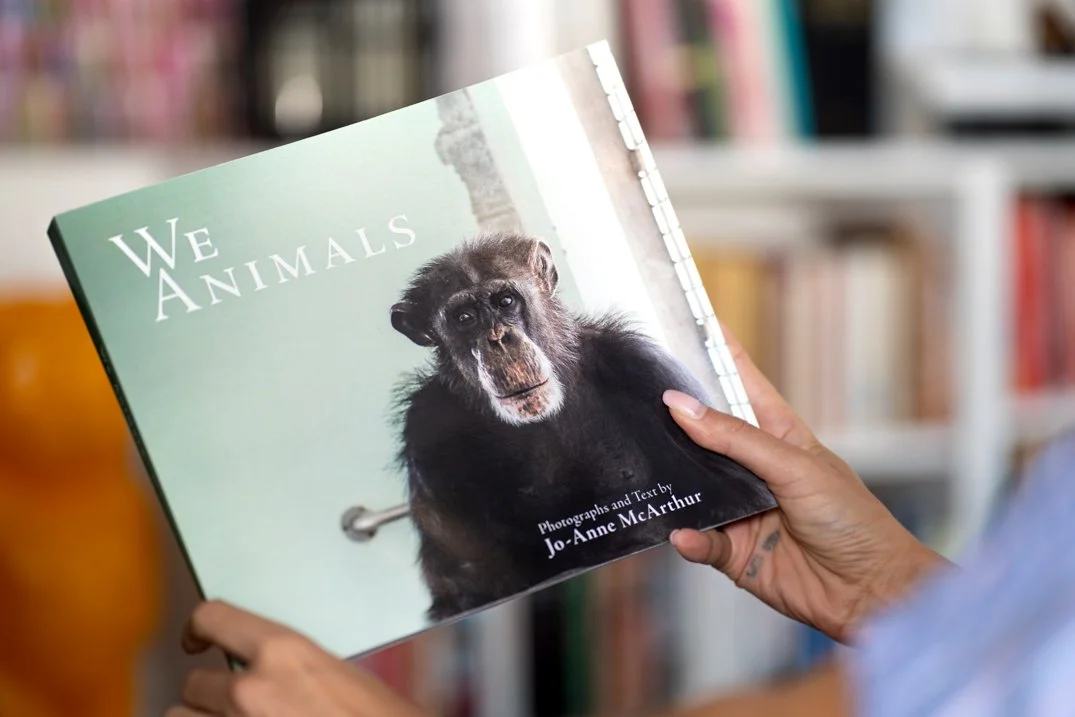
On the We Animals 2022 book, World Day for Animals in Laboratories, and a question I cannot stop asking.
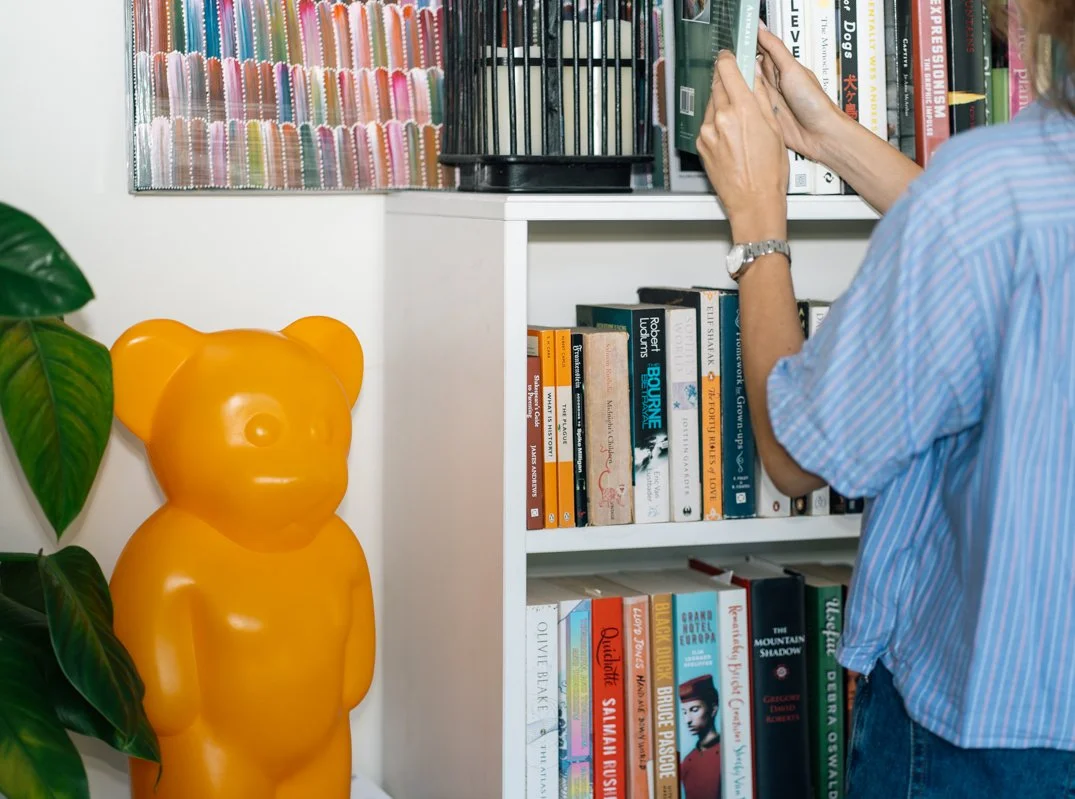
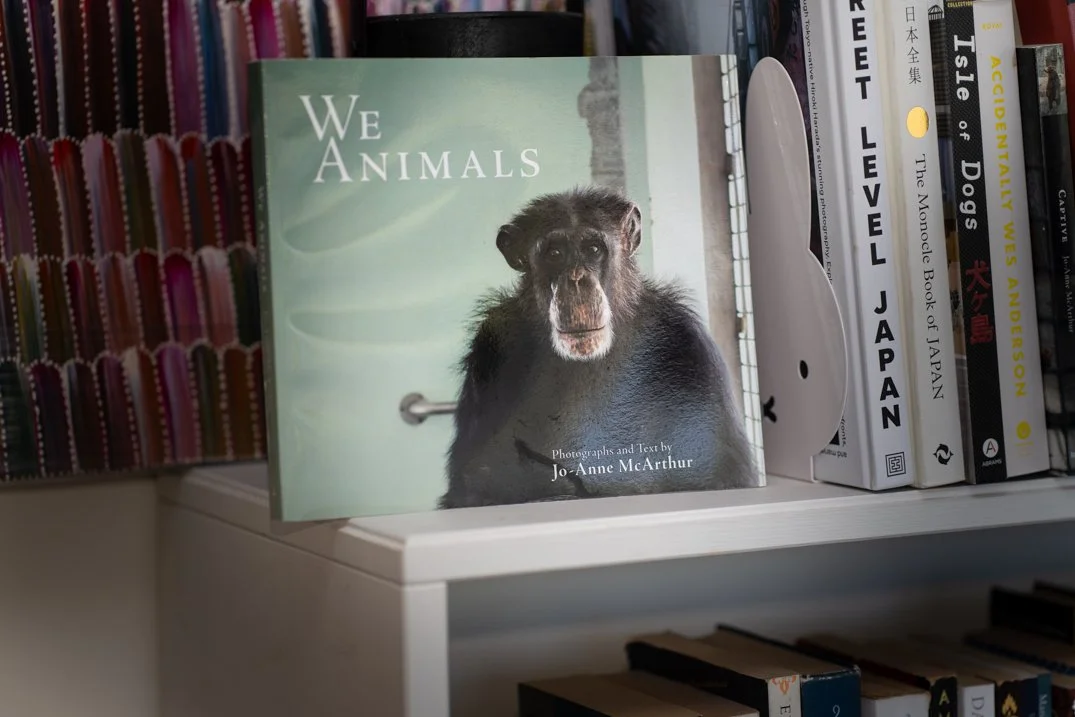
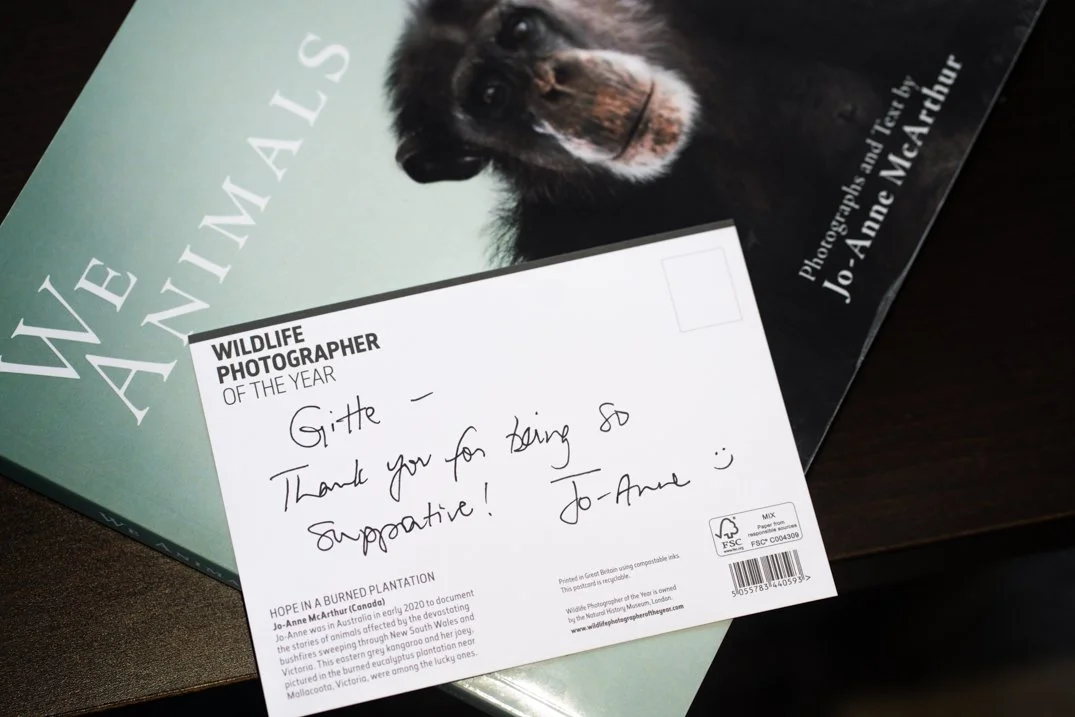
I have had the We Animals 2022 book on my shelf for a while now, and last week I finally sat down with my camera to photograph it. Not because the photography needs my help — Jo-Anne McArthur's images are extraordinary, and the book speaks for itself — but because some stories need to be told and re-told until they stop being possible. The story I want to share with you today is one of them.
His name was Ron.
A life on paper
According to the records, Ron was born on September 1st, 1976. Nobody knows where. Nobody knows whether he was born in a forest or a cage, whether he was someone's pet, whether he was made to perform for an audience. The first thing we know for certain about Ron is that on June 24th, 1987, he was inside a building in New York called the Laboratory for Experimental Medicine and Surgery in Primates.
The second thing we know is this: in that laboratory, Ron was anaesthetised with ketamine one hundred and five times.
One hundred and five.
I keep coming back to that number. I keep trying to picture it.
In 1990, Ron was moved to the Coulston Foundation. In one five-week period in 1997, he was anaesthetised sixteen more times. The following year, surgeons removed a disc from his neck for a six-month study on spinal dynamics. After that surgery — deep, invasive, in his spine — his charts say he was given no pain medication for eight days.
Eight days.
A nest of blankets
In 2002, Save the Chimps bought Coulston out and, over time, the surviving chimpanzees were relocated to a 200-acre sanctuary in Florida. Ron had several acres of his own to roam, and friends to roam with — including his closest companion, April. He mostly chose to stay inside. He gathered his blankets and arranged them, carefully, into a circle. A nest. A small soft place inside a building. And it was there, in that circle of blankets, that Ron died peacefully in October 2011 — far too young, the way so many laboratory chimpanzees die far too young. I think about Ron arranging his blankets, and I don't have the words.
The question I cannot stop asking
April 24th was World Day for Animals in Laboratories. It just passed, quietly, the way it always does. And every year, when I think about it, I find myself asking the same question I have never been able to answer: How is this still happening?
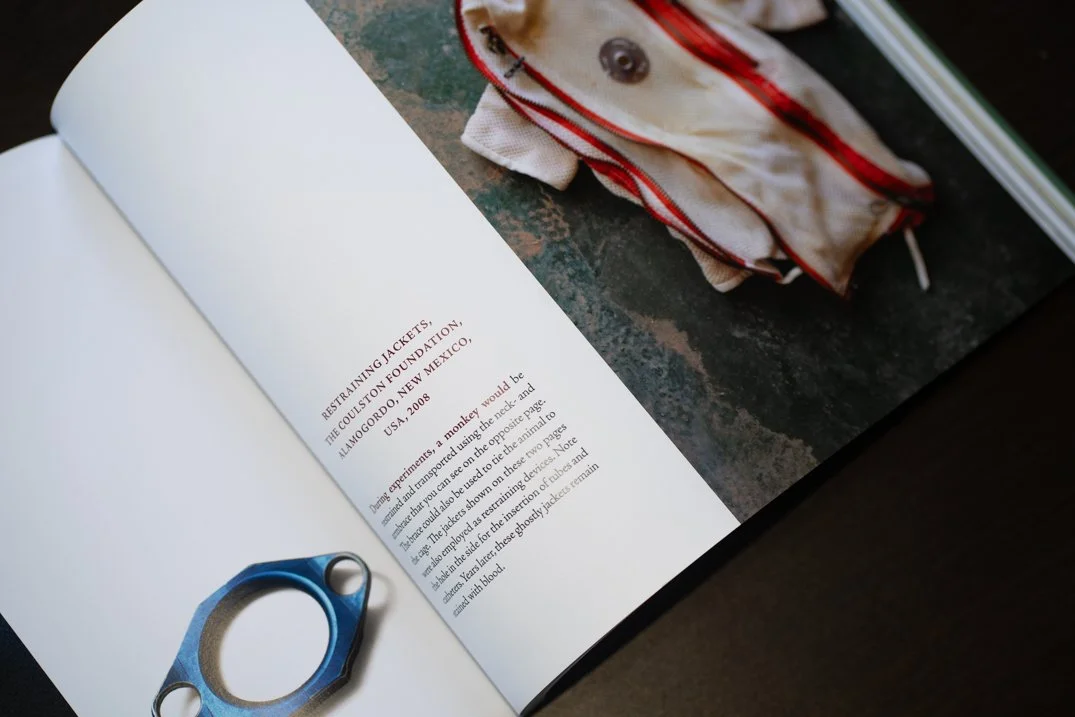
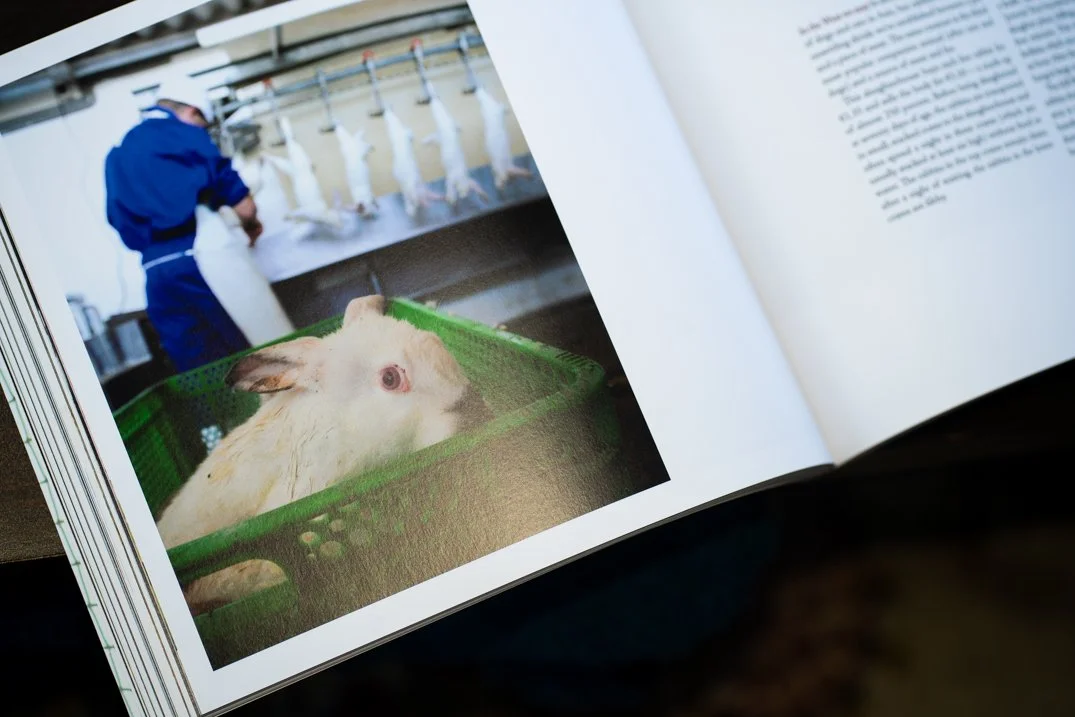
In the Netherlands alone, around 415,000 animals are used in experiments every year. Seven out of every eight never leave the lab alive. Globally, the figure runs into the millions — mice, rats, rabbits, beagles, pigs, primates. Some are confined for hours in plastic restraint tubes. Some have rectangles of skin and flesh surgically removed from their backs so test substances can be applied to the open wound — pain relief is often withheld, in case it interferes with the data. Some, like Ron, are sedated and cut into and sedated again, year after year, until their bodies give up.
And here is what I find genuinely impossible to make peace with: it does not even work very well.
Around 90 to 95 percent of drugs that pass animal testing go on to fail in human trials. Animal bodies are not our bodies. The most famous example is still thalidomide — sold in the Netherlands as Softenon — a drug that looked safe in animal studies and was prescribed to pregnant women in the late 1950s and 60s. Thousands of children were born with severe birth defects. The animal data lied.
And we have alternatives now. We really do. Human-cell organoids. Organ-on-a-chip technology. Computational models that map human biology better than any mouse ever could. The science of not using animals is here, and in many cases it is more accurate than the science of using them.
So why are we still doing this?
I don't understand
I keep turning this question over in my hands, and I cannot make it sit still.
We have somehow agreed, as a species, that fellow beings — beings with nervous systems just like ours, beings who feel pain and fear and loneliness, beings who, like Ron, will quietly try to make a home out of a few blankets when no one is watching — should be locked into rooms and used until they break.
We have agreed to it, I think, because most of us never have to see it. Ron has a story we can read because someone, somewhere, kept charts. Most laboratory animals are not named. Most don't get a sanctuary at the end. Most don't have a photographer like Jo-Anne McArthur following the thread of their lives until it stops.
But every one of them has the same nervous system. The same capacity for fear. The same wish, I have to believe, to lie quietly in a circle of soft things.
What we can actually do
If you have read this far, you are probably feeling something — and I really hope you don't put it down. I think that feeling is the thing we are not allowed to lose. A few places to put it:
Read.Proefdiervrij (in Dutch and English) lays out, gently and clearly, how the system actually works — and how it can be replaced.
Sign.TOXICITY.inc is an active campaign pressing pharmaceutical companies to use their influence to end animal toxicity testing. Real change moves at that level.
Look.We Animals is the most important visual archive of our relationship with non-human animals that I know of. The book where I met Ron is part of it.
Talk about it. Most people genuinely do not know that 9 out of 10 animal-tested drugs fail in humans. Most people don't know what restraint tubes are. Tell them.
For Ron
I don't know if writing this changes anything. I don't know if anyone will read it. But every night, in a building in Florida, a chimpanzee called Ron arranged his blankets in a circle, and he did this after one hundred and five anaesthesias, after a disc had been cut out of his neck, after eight days without pain relief. The least we can do — truly, the absolute least — is to know his name.
His name was Ron.
And if we want to keep claiming that we are the species capable of empathy, of moral progress, of building a more humane world, then at some point we are going to have to stop pretending we don't know what is happening in those rooms.
We know.