The fence at the creek
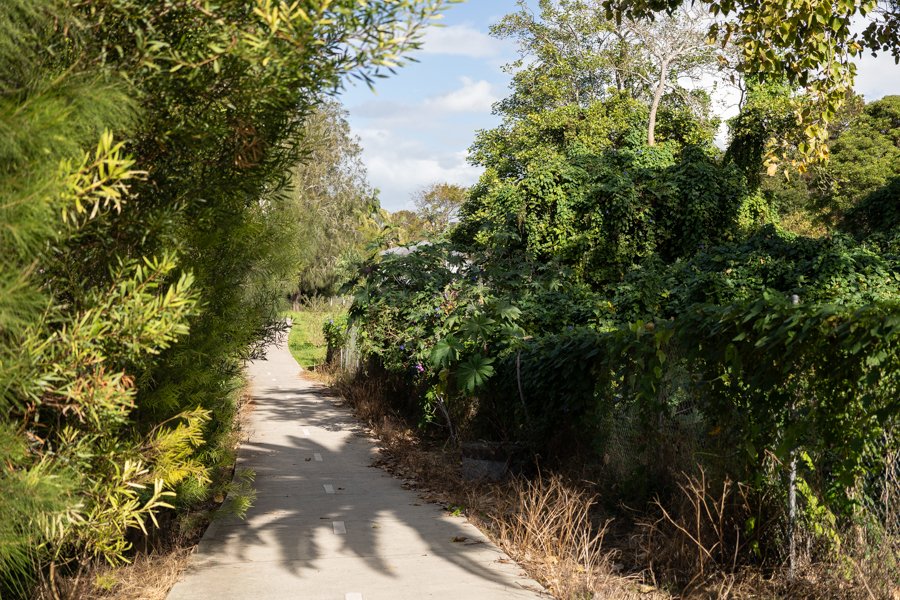
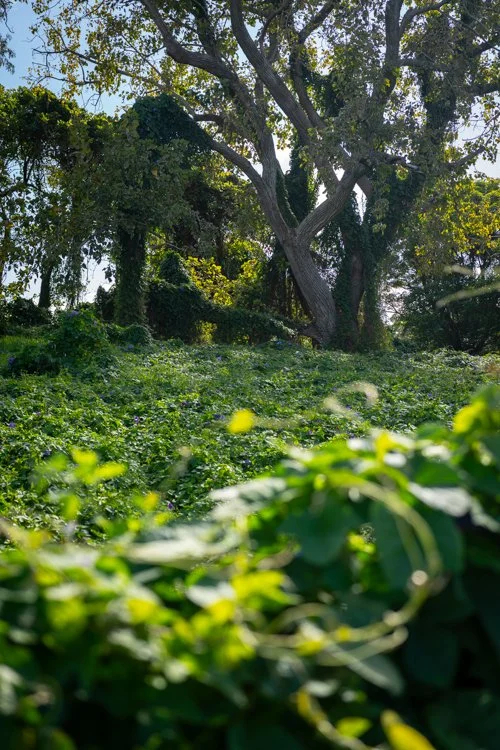
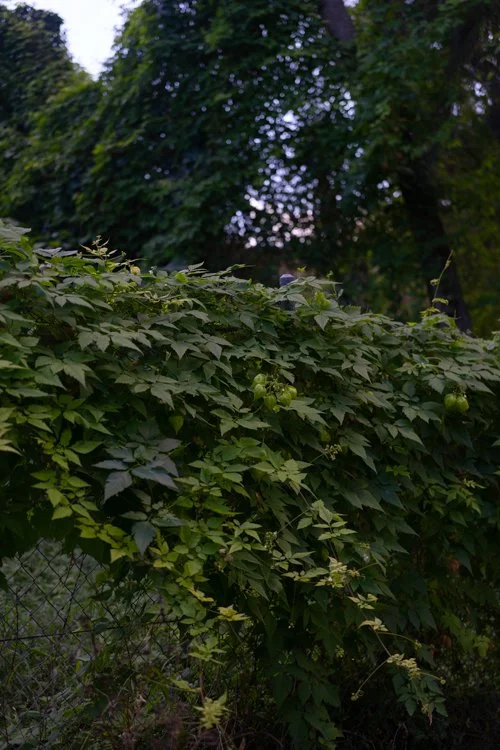
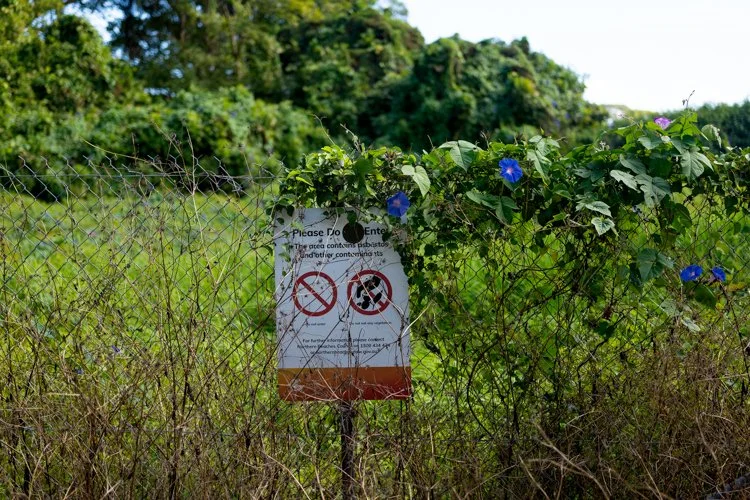
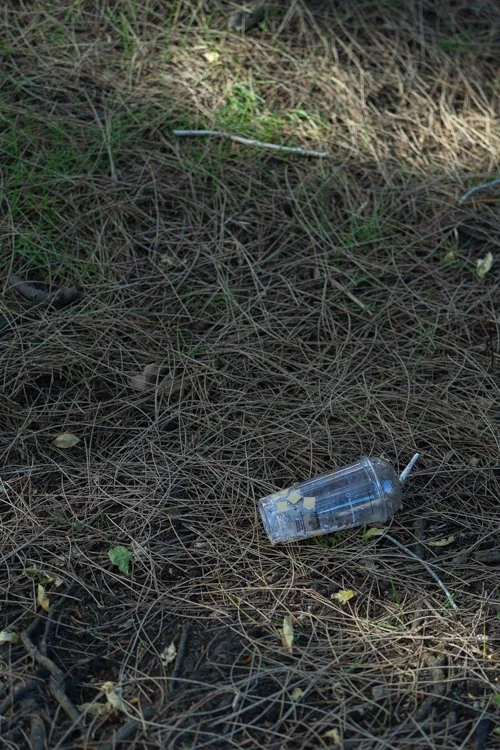
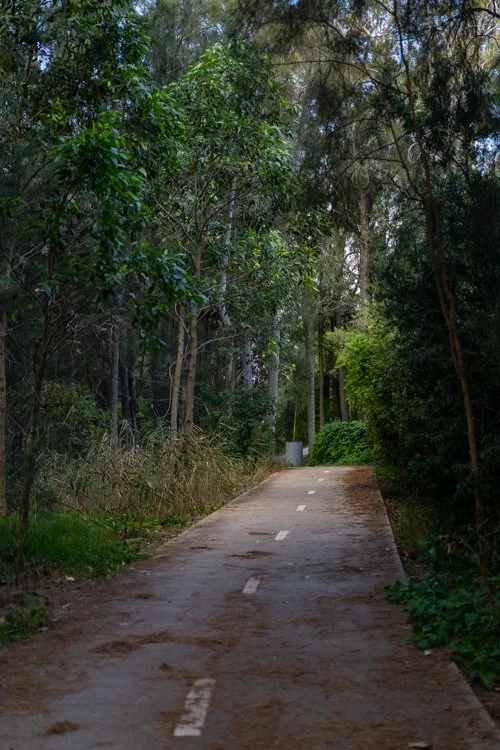
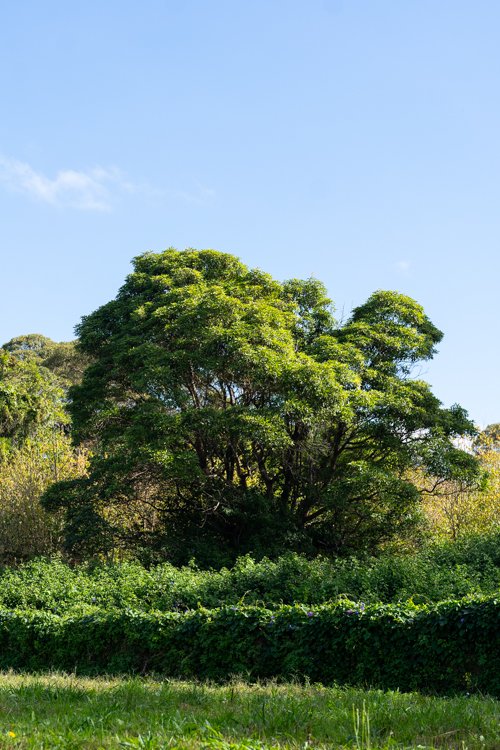
There's a fenced-off block of land along Manly Creek, between Addiscombe Road and Campbell Parade. I walk past it most weeks. The asbestos warning signs and the "no swimming" notices made me curious. What happened here?
It was a Manly Council rubbish tip, operating through the mid-20th century. Most of what's buried is incineration waste — ash and residue from the era when councils used to burn household rubbish — mixed with general waste from a period when Australia was one of the heaviest per-capita users of asbestos products in the world. Fibro sheeting, pipes, roofing. All of it dumped against the creek.
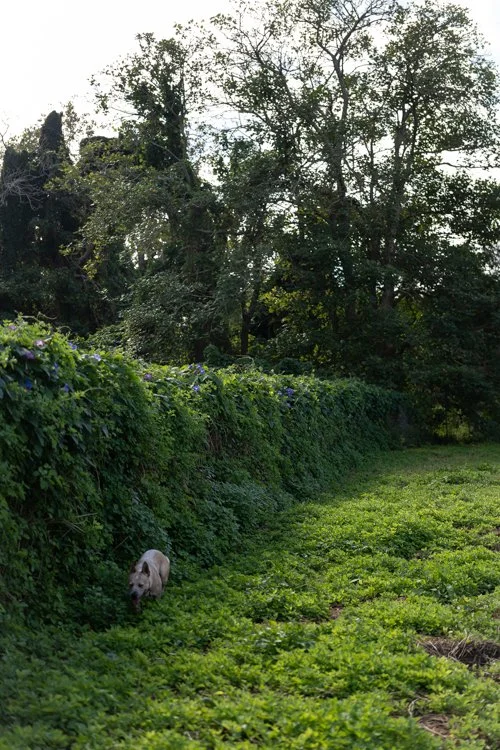
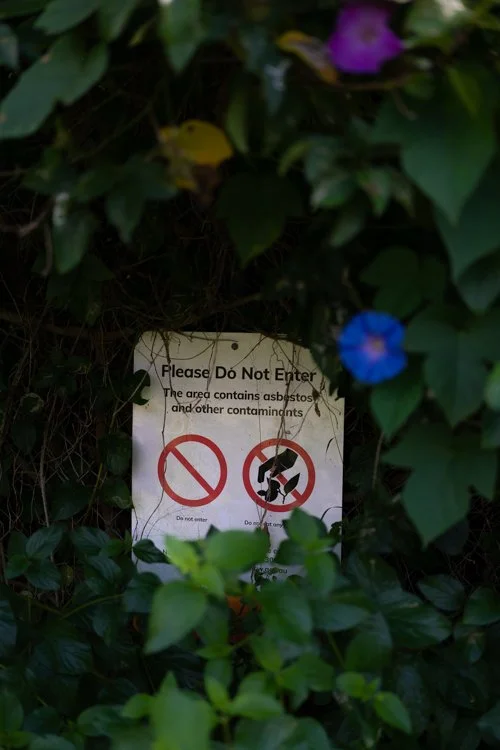
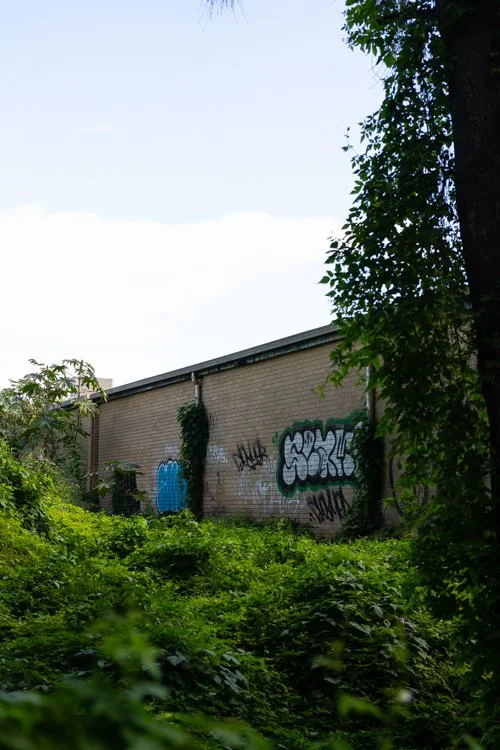
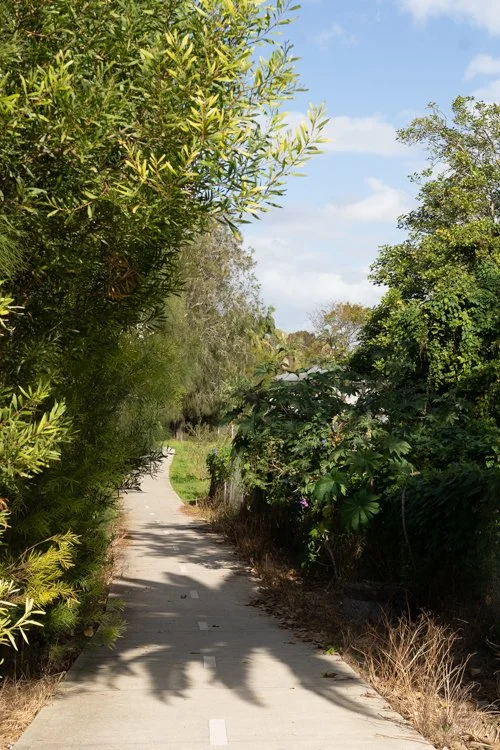
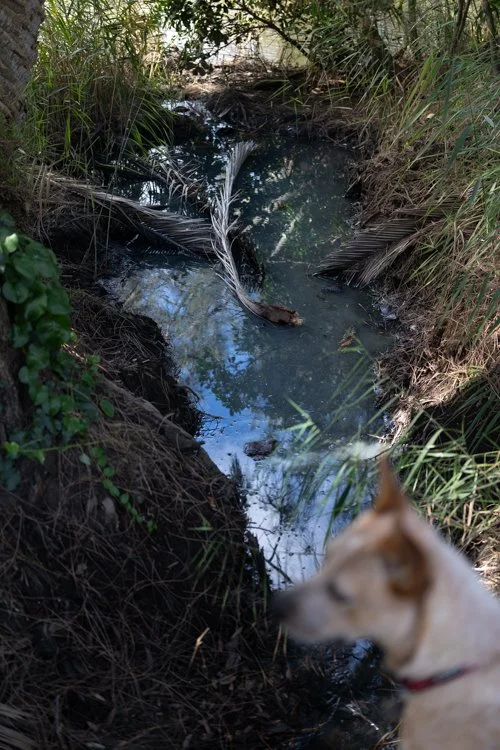
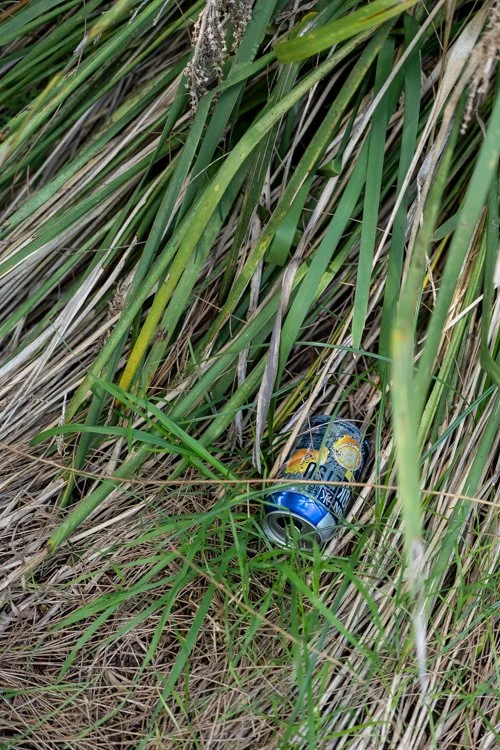
The site has been managed as a contaminated site since 2000. Twenty-six years. There is still no remediation plan — just monitoring. Fence inspections. "Sparrow picking" — the regular collection of asbestos fragments along the informal pathway that school kids use to walk to Mackellar Girls Campus. Groundwater seeping toward Manly Creek, then the lagoon, then the beach.
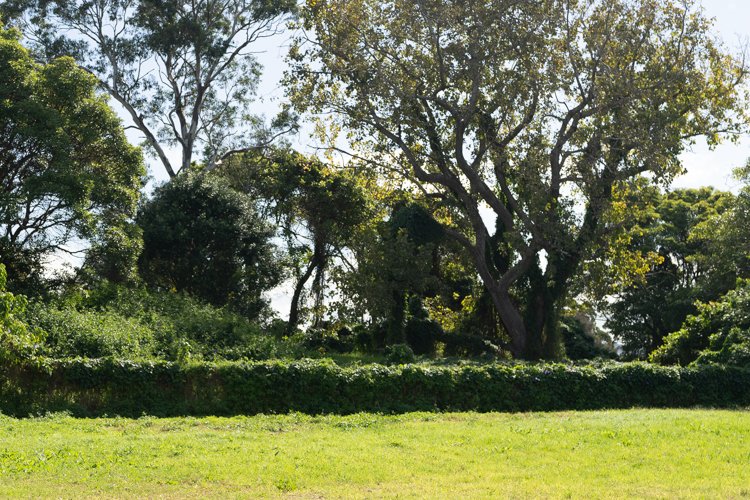
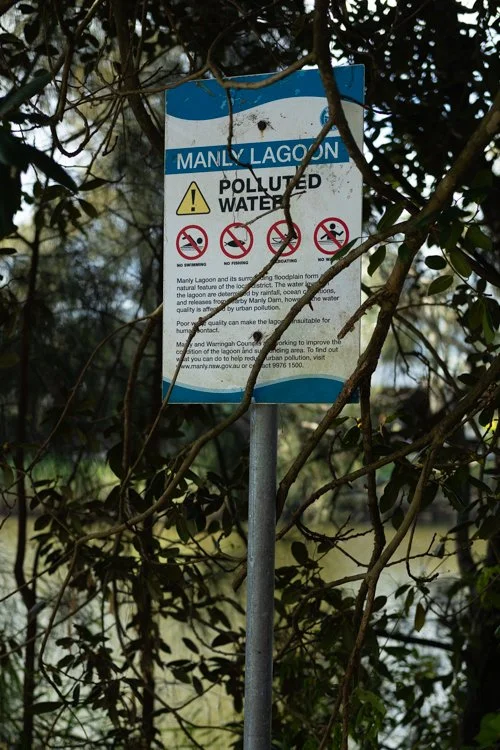
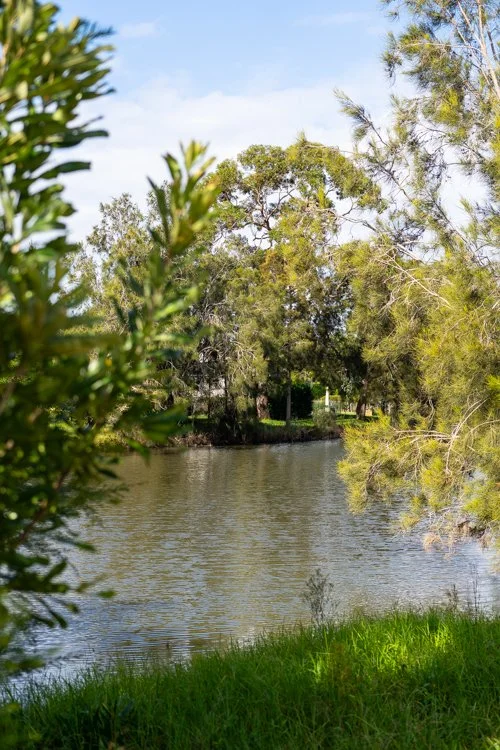
The water that drains past this fence ends up in Manly Lagoon, which has been described as one of the most polluted waterways on Australia's east coast. In the 1950s, local kids held swimming parties and picnics there. Now signs warn against swimming, wading, fishing, and boating.
Aquatic life in the upstream and middle reaches of the lagoon has collapsed. In 2001, a pesticide spill from Warringah Golf Course killed an estimated 10,000 fish, ducks, and other wildlife in the lagoon. The Climbing Galaxias — a small native fish whose lineage goes back to Gondwana — is threatened in the wider catchment.
Same pattern, different chemical, different country: in the Netherlands, PFAS — the so-called "forever chemicals" — keeps leaking from Schiphol Airport into the waterways around it. Local health authorities advise residents not to eat self-caught fish from those waters and not to irrigate their vegetable gardens. Eighteen years since the firefighting foam incident that triggered the worst of it. The Dutch Court of Audit recently found that twelve years of monitoring has produced almost no improvement. PFAS production has been banned for years. The soil holds it anyway. Releases it slowly. Forever. (Read the article from FTM.nl here, article gifted by me as ftm supporter)
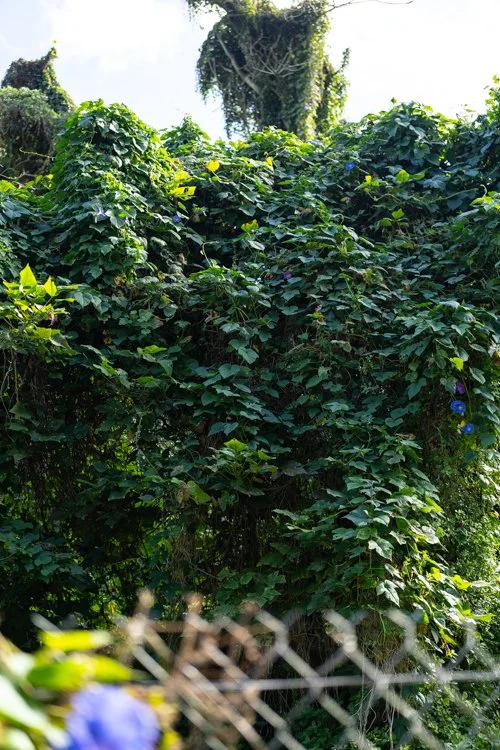
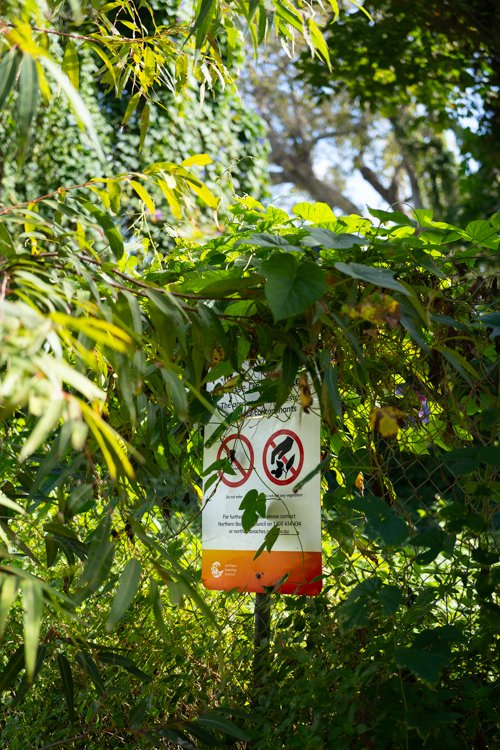
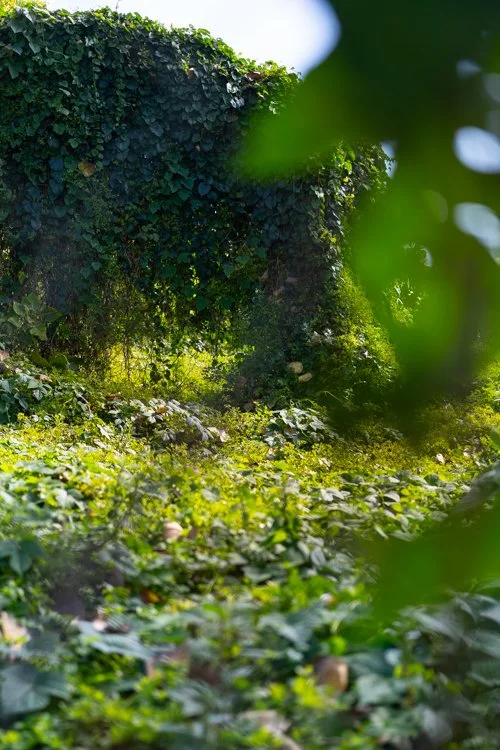
So I stand at this fence in Manly Vale and I think: who is paying for this? In the strictest sense, the council — which means the ratepayers, which means me. The original polluter is gone. The companies that made the asbestos products, the councillors who approved the tip, the factories that ran the incinerators — all dissolved, untraceable. The mess outlasted them.
And we are still doing it. New chemicals, new sites, new fences. The pattern doesn't change: industry creates something useful and profitable, the harm shows up decades later, the polluter disappears, the public quietly absorbs the cost. The creek pays. The wildlife pays. The kids walking past pay. The next generation pays.
Nobody gets punished for this kind of slow-motion damage. There is no court strong enough to prosecute decades of normal practice. There's just a fence, and a sign, and a creek you can't swim in.
// please mention my website when you copy and use a photo. all photos taken by Studio Koke //